
播放/暂停
发布时间:2019-08-28
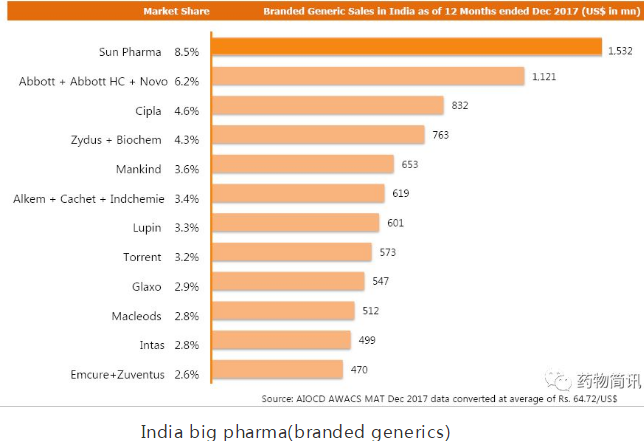
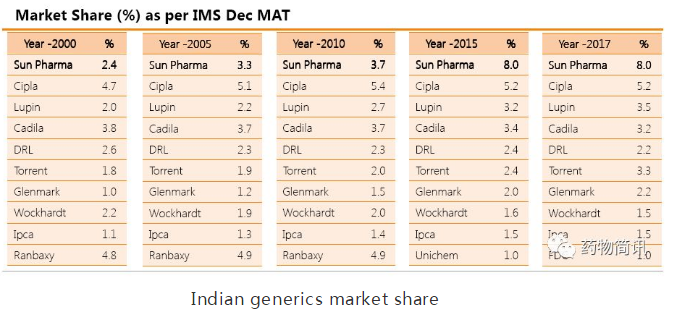
A generic drug is a medication created to be the same as an existing approved brand-name drug in dosage form, safety, strength, route of administration, quality, and performance characteristics.
Generic medicines work the same as brand-name medicines
A generic medicine works in the same way and provides the same clinical benefit as its brand-name version. This standard applies to all FDA-approved generic medicines. A generic medicine is the same as a brand-name medicine in dosage, safety, effectiveness, strength, stability, and quality, as well as in the way it is taken and should be used.
Generic medicines use the same active ingredients as brand-name medicines and work the same way, so they have the same risks and benefits as the brand-name medicines.
The FDA Generic Drugs Program conducts a rigorous review to make sure generic medicines meet these requirements. In addition, FDA conducts 3,500 inspections of manufacturing plants a year, ensuring compliance with the agency's regulations on good manufacturing practices.
FDA staff also continually monitor drug products to make certain the medicines at all levels of the supply chain, from active pharmaceutical ingredients (API) to products being sold to consumers, are safe, effective, and high quality. In the event of reports of negative patient side effects or other reactions, the FDA investigates and, when appropriate, may require changes in how a medicine (both brand-name and generic versions) is used or manufactured.#p#分页标题#e#
Back to Top
Generic drugs must meet high standards to receive FDA approval
FDA requires drug companies to demonstrate that the generic medicine can be effectively substituted and provide the same clinical benefit as the brand-name medicine that it copies. The abbreviated new drug application (ANDA) submitted by drug companies must show the generic medicine is the same as the brand-name version in the following ways:
The active ingredient in the generic medicine is the same as in the brand-name drug/innovator drug.
The generic medicine has the same strength, use indications, form (such as a tablet or an injectable), and route of administration (such as oral or topical).
The inactive ingredients of the generic medicine are acceptable.
The generic medicine is manufactured under the same strict standards as the brand-name medicine.
The container in which the medicine will be shipped and sold is appropriate, and the label is the same as the brand-name medicine's label.
To learn more about how FDA reviews generic medicines, visit What Is the Approval Process for Generic Drugs?
Back to Top#p#分页标题#e#
Approved generic medicines are generally only sold after patents and exclusivities protecting the brand-name version end
Patents and exclusivities are forms of protection for drug makers that may affect how and when a generic drug is approved and can be sold. New brand-name drugs are usually protected by patents (issued by the U.S. Patent and Trademark Office) that prohibit others from selling generic versions of the same drug. Periods of marketing exclusivity for brand-name drugs can also impact the approval of generic drugs.
FDA must comply with the delays in approval that the patents and exclusivities impose. Once these patents and marketing exclusivities expire (or if the patents are successfully challenged by the generic drug company), the generic drug can receive full approval and can be sold.
Back to Top
Generic medicines cost less than brand-name medicines
Generic medicines tend to cost less than their brand-name counterparts because they do not have to repeat animal and clinical (human) studies that were required of the brand-name medicines to demonstrate safety and effectiveness. In addition, multiple applications for generic drugs are often approved to market a single product; this creates competition in the marketplace, typically resulting in lower prices.
The reduction in upfront research costs means that, although generic medicines have the same therapeutic effect as their branded counterparts, they are typically sold at substantially lower costs. When multiple generic companies market a single approved product, market competition typically results in prices about 85% less than the brand-name. According to the IMS Health Institute, generic drugs saved the U.S. health care system $1.67 trillion from 2007 to 2016. [1]#p#分页标题#e#
To learn more about pricing, visit Generic Competition and Drug Prices.
Back to Top
Contact your doctor, pharmacist, or other health care provider to discuss generic medicines. For more information, you can also:
Visit the FDA Generic Drugs Program web page.
Call 1-888-INFO-FDA
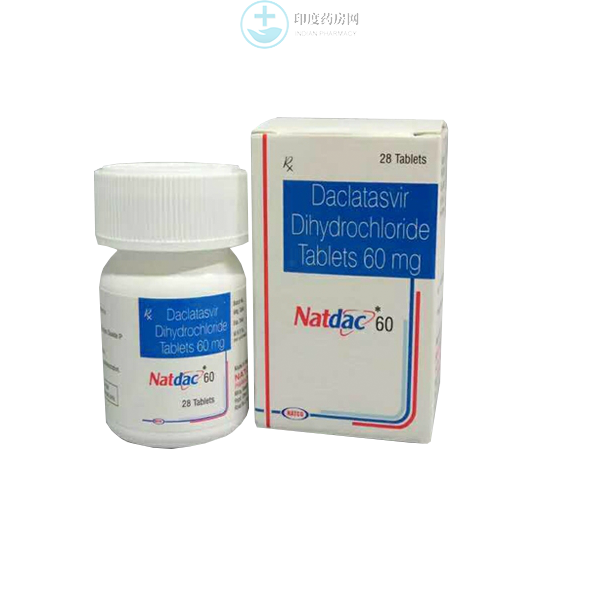
【用法用量】 1)达卡他韦60mg 口服每天1次有或无食物与索非布韦联用。 2)达卡他韦推荐治疗时间:达卡他韦服用12周......
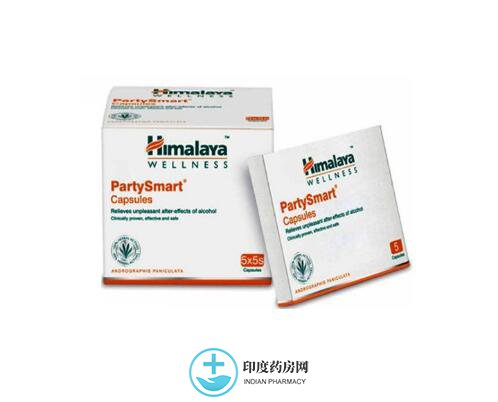
主要成分: 1.大棗:具有强大的抗氧化特性,可抑制超氧化物和羥基自由基引起的氧化损伤,从而有助于缓解酒精消耗的后遗症。 ......
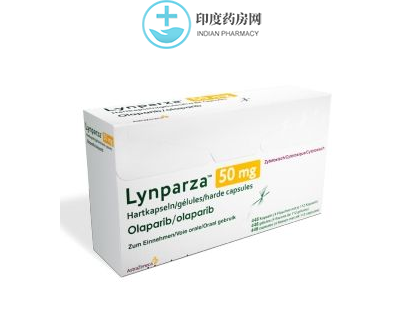
【用法用量】 推荐剂量:300mg,口服,每日两次,每天的总剂量为600mg。 服用方法:口服,饭前饭后均可。整片吞咽,......
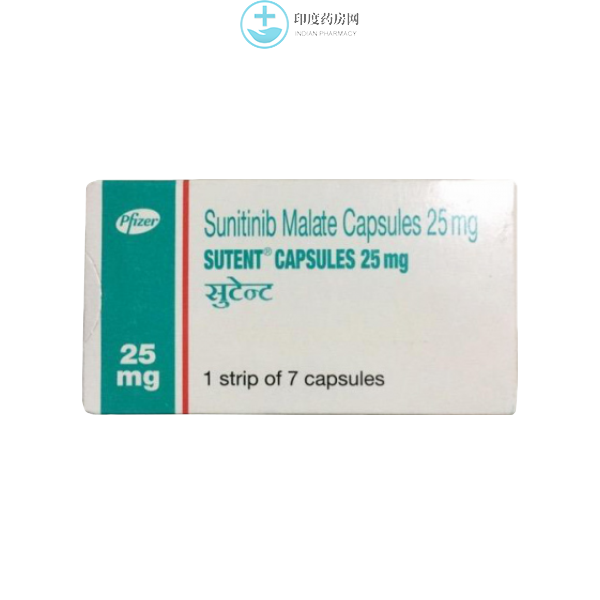
【作用机制】 通过抑制多个受体酪氨酸激酶,达到抑制肿瘤和新生血管形成的作用。抑制包括血小板分化生长因子(PDGFR-al......
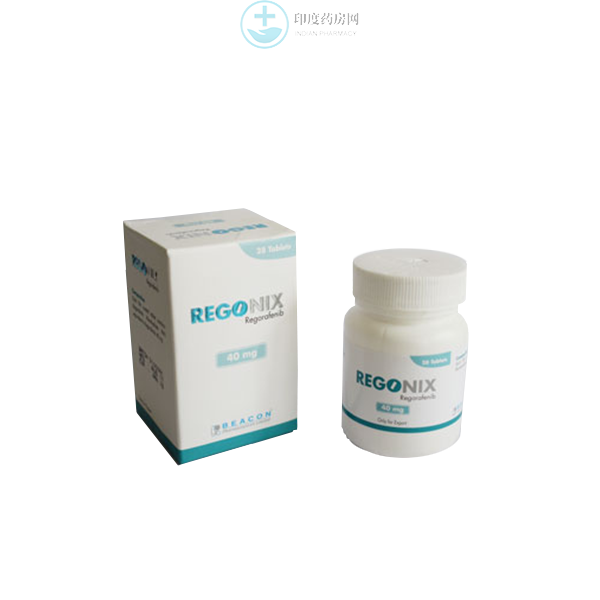
作用机制】 拜万戈(瑞戈非尼)是一个多激酶抑制剂,通过抑制肿瘤血管生成、肿瘤细胞新生、维持肿瘤微环境的因素,来抑制肿瘤生......
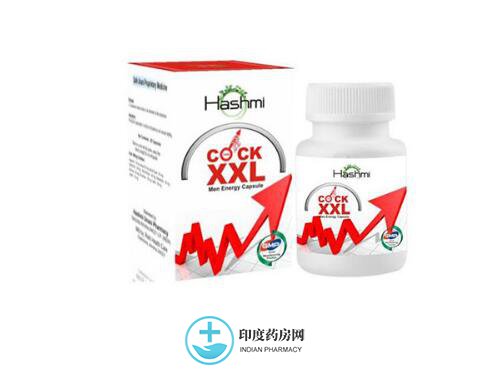
英文名称: Cock XXL Men Energy Capsules 中文名称: 阴茎增大增长胶囊 剂量规格: 20粒/......
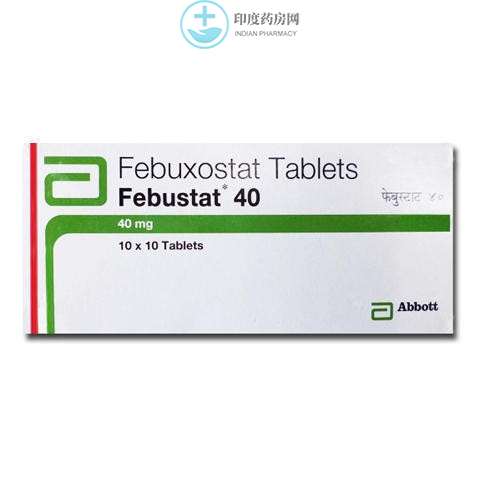
推荐剂量 用于治疗有痛风症状的高尿酸血症患者时,推荐本品剂量为40mg或80mg,每日一次。推荐本品的起始剂量为40mg......
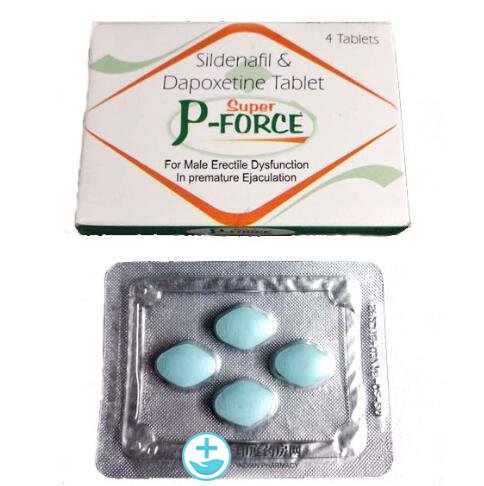
普丽吉 蓝P(Extra Super P force (Blue))商品描述 P-Force是一种含有西地那非枸橼酸盐1......
Pharmacy catalogue
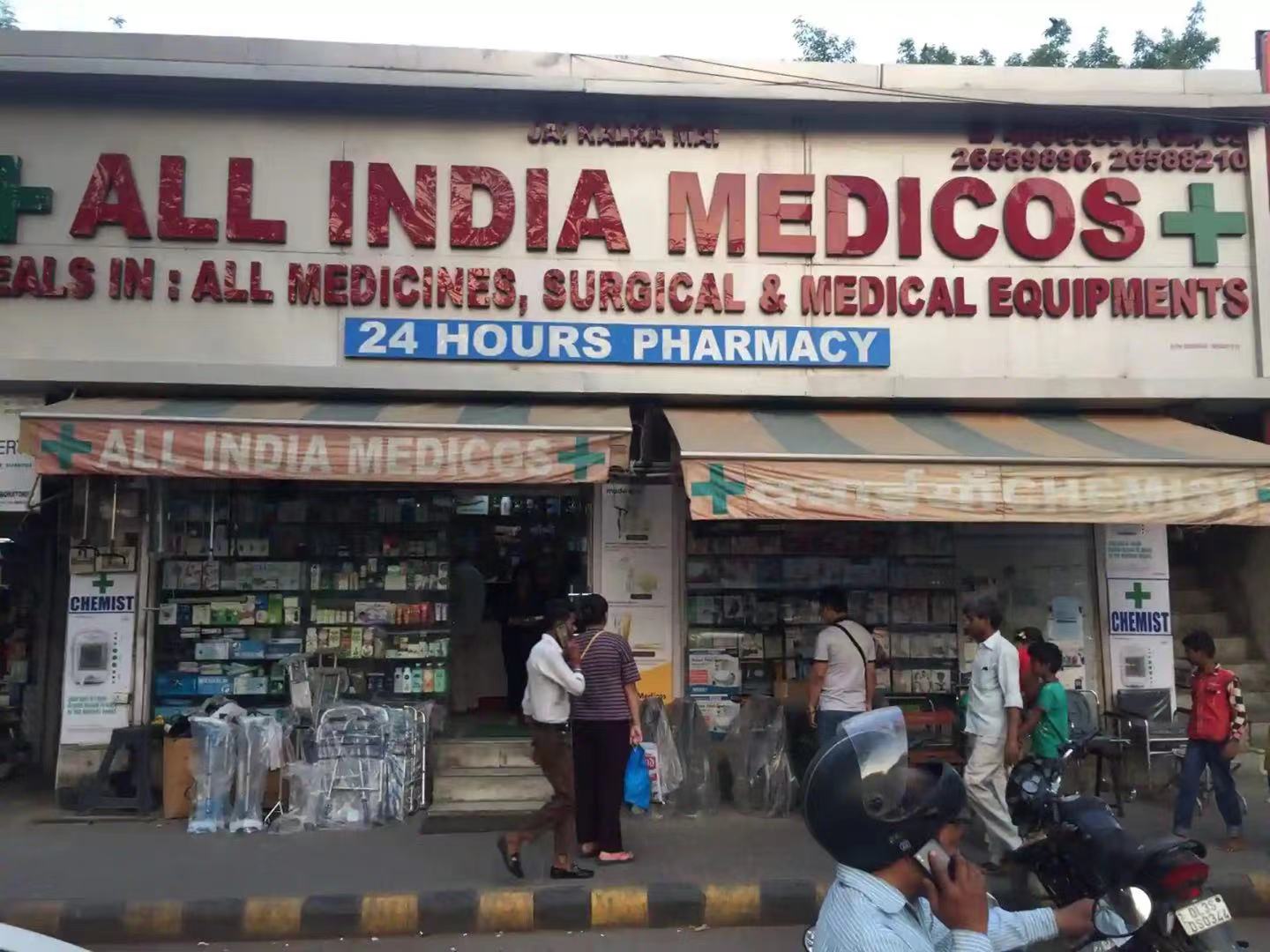
1. 印度孟加拉国药房
1. 印度阿波罗药房 APOLLO Pharmacy
2. 守护药房Guardian pharmacy
3.印度1mg药房
4.印度MedPlus药房
5.印度Netmeds药房
6.印度Wellness Forever Medicare药房
7.印度Buy Drug药房
Related Articles